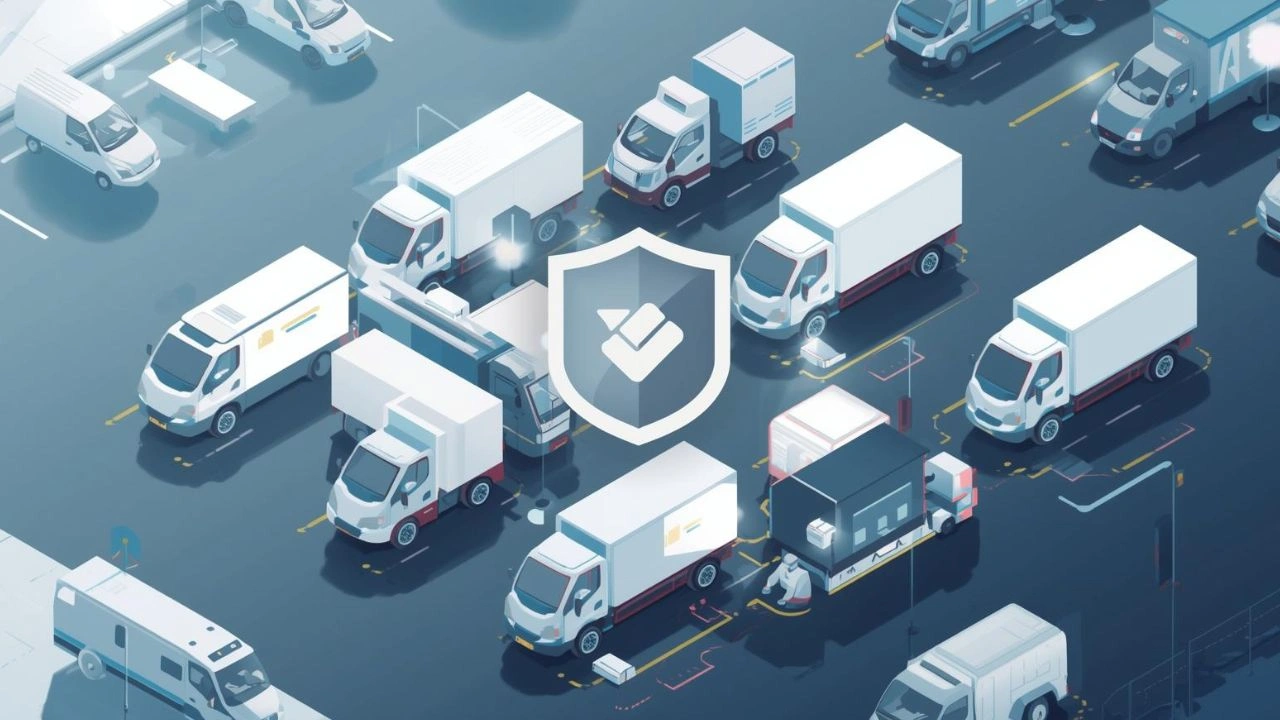
EV Insurance for Commercial Fleets: The shift toward electric vehicles (EVs) is transforming commercial logistics worldwide. With governments pushing for greener transportation and companies seeking operational efficiency, electric logistics vehicles—vans, trucks, and delivery EVs—are becoming a core part of fleet strategies. While EVs offer lower fuel costs and reduced maintenance, insurance remains a critical and often expensive consideration for fleet operators.
Commercial EV insurance differs significantly from personal EV policies due to higher vehicle values, intensive usage patterns, and complex risk exposure. Without a structured approach, insurance costs can quickly offset operational savings. This article explores insurance strategies for commercial EV fleets, cost optimization methods, and emerging trends in EV fleet insurance.
Understanding Commercial EV Fleet Insurance
Commercial EV fleet insurance is designed to protect a fleet of vehicles used for business purposes. It covers:
- Vehicle damage: Accidents, fire, theft, or natural disasters.
- Third-party liability: Damage or injury caused to others.
- Battery and high-voltage component protection: Coverage for expensive battery packs and EV electronics.
- Fleet-specific risks: Roadside assistance, cargo protection, and commercial operations.
Unlike personal EV insurance, commercial policies must consider frequency of usage, higher mileage, multiple drivers, and operational risk factors.
Key Factors Driving Insurance Costs for Electric Logistics Fleets
Several variables influence premiums for commercial EV fleets:
1. Vehicle Value and Battery Cost
Electric logistics vehicles often feature high-capacity batteries and advanced electronics. Battery replacement alone can exceed tens of thousands of dollars, driving up comprehensive coverage premiums.
2. Usage Patterns
Delivery vehicles operate on high-frequency schedules, often covering hundreds of kilometers per day. Insurers factor in:
- High mileage risk
- Frequent start-stop cycles
- Urban driving density
- Exposure to loading and unloading incidents
3. Driver Profile and Training
Fleet operators with untrained or inexperienced drivers increase the probability of accidents. Insurers evaluate:
- Driver age and experience
- Safety training programs
- Accident history
4. Fleet Size
Larger fleets can attract bulk discounts, but insurers also assess cumulative risk exposure. Each additional vehicle increases total liability.
5. Charging Infrastructure and Risk
Electric logistics vehicles depend on charging stations, which introduces charging-related risks:
- Electrical surges
- Fire hazards at charging hubs
- Damage during fast-charging sessions
Policies often include clauses addressing these scenarios, influencing overall premiums.
Read Also: Mahindra BE 07 EV: India’s Futuristic Electric SUV Ready to Redefine Premium EV Performance in 2026
Cost Optimization Strategies for Commercial EV Insurance
Managing insurance costs for a commercial EV fleet requires a multifaceted approach. Key strategies include:
1. Bundle Fleet Policies
Insuring multiple EVs under a single fleet policy often results in lower per-vehicle premiums. Bundling provides:
- Administrative efficiency
- Risk pooling benefits
- Better negotiation leverage with insurers
2. Implement Telematics and Usage Tracking
Telematics devices track:
- Speed, braking, and acceleration patterns
- Route efficiency and mileage
- Battery health metrics
Insurers can use this data to reward safe, efficient driving with premium discounts. Fleets with lower accident exposure and consistent driving behavior may qualify for usage-based incentives.
3. Driver Training Programs
Structured driver safety training reduces:
- Accidents caused by human error
- High-risk driving behavior
- Vehicle downtime
Insurers value proactive risk management, often offering premium reductions for certified training programs.
4. Optimize Charging Practices
Frequent DC fast charging can accelerate battery degradation. Cost-saving measures include:
- Prioritizing Level 2 or standard AC charging when feasible
- Scheduling charging to avoid peak hours and overload risks
- Installing well-maintained on-site charging infrastructure
Policies may offer lower premiums for fleets demonstrating controlled, safe charging behavior.
5. Maintain Accurate Vehicle Records
Keeping detailed logs of:
- Battery performance
- Routine maintenance
- Accident history
Helps accelerate claims and justify premium discounts, particularly for fleets with well-documented vehicle care.
6. Choose Appropriate Coverage Levels
Not all EV fleets need maximum coverage for all vehicles. Operators should consider:
- Risk vs. asset value
- Total loss thresholds
- Selective add-ons (battery replacement, roadside assistance)
Tailoring coverage avoids over-insurance while maintaining adequate protection.
Add-On Coverage Options for EV Fleets
Commercial EV insurance often includes optional add-ons:
1. Battery Replacement Cover
Covers high-cost battery packs in case of accidental damage or fire. Essential for logistics fleets where downtime is critical.
2. Fast-Charging Damage Cover
Provides protection for incidents occurring during DC fast charging or public charging sessions.
3. Telematics-Based Premium Adjustment
Enables insurers to adjust premiums based on actual fleet usage, rewarding:
- Efficient driving
- Low accident frequency
- Consistent charging practices
4. Roadside Assistance for Electric Vehicles
Specialized EV roadside support covers:
- Battery jump-start
- Charging station assistance
- Electric motor troubleshooting
Claims Management Strategies for Fleet Operators
Efficient claims management reduces downtime and costs. Best practices include:
- Centralized reporting system for fleet incidents
- Pre-negotiated repair agreements with certified EV service centers
- Real-time telematics data to provide evidence for claims
- Regular audits to track claim patterns and optimize risk mitigation
By streamlining claims, operators can lower administrative costs and reduce premium hikes over time.
Regulatory Considerations
Commercial EV fleets must comply with:
- Local commercial vehicle insurance laws
- Mandatory third-party liability coverage
- EV-specific guidelines for high-voltage safety and driver certification
Staying compliant not only avoids penalties but also enhances insurer confidence, leading to potential premium reductions.
Case Studies: Cost Optimization in Practice
- Urban Delivery Fleet
- 50 electric vans
- Telematics installed for speed and braking monitoring
- Result: 15% reduction in premiums due to low accident frequency
- Long-Haul Logistics Fleet
- 20 high-voltage trucks
- Driver training and controlled charging infrastructure
- Result: Reduced claims frequency and lower battery replacement disputes
- Mixed Fleet with EV and ICE Vehicles
- Bundled policy approach
- Insurer provided fleet-wide discount
- Result: Administrative efficiency and 10% cost savings
Emerging Trends in Commercial EV Fleet Insurance
- Battery health scoring for premium adjustments
- AI-driven risk analysis using driving patterns and environmental data
- Integration with EV charging networks for real-time risk assessment
- Flexible pay-as-you-go policies for seasonal or variable fleet sizes
These innovations enable smarter, data-driven insurance models that reward efficiency and safety.
Read Also: Ultraviolette F77: India’s High-Performance Electric Motorcycle That Redefined Electric Riding
Key Takeaways for Fleet Operators
- Understand fleet-specific EV risks: battery, charging, and high-usage scenarios
- Leverage telematics and data-driven insights for discounts
- Maintain comprehensive records of battery health, maintenance, and accidents
- Tailor coverage levels and add-ons based on operational needs
- Train drivers and monitor charging behaviour to minimize risk
Proactive risk management directly translates into cost savings and enhanced fleet efficiency.
Conclusion: Optimizing Insurance Costs for Electric Logistics Fleets
Commercial EV fleets are at the forefront of sustainable logistics, but insurance costs can be significant if not carefully managed. By understanding the unique risk profile of electric logistics vehicles, implementing telematics, adopting safe charging practices, and choosing appropriate coverage, operators can optimize insurance costs without compromising protection.
In an era of rising EV adoption, smart insurance strategies are not just a cost-control measure—they are a competitive advantage for fleet operators striving to maintain efficient, sustainable, and profitable electric logistics operations.
2 thoughts on “EV Insurance for Commercial Fleets: Cost Optimization Strategies for Electric Logistics Vehicles”