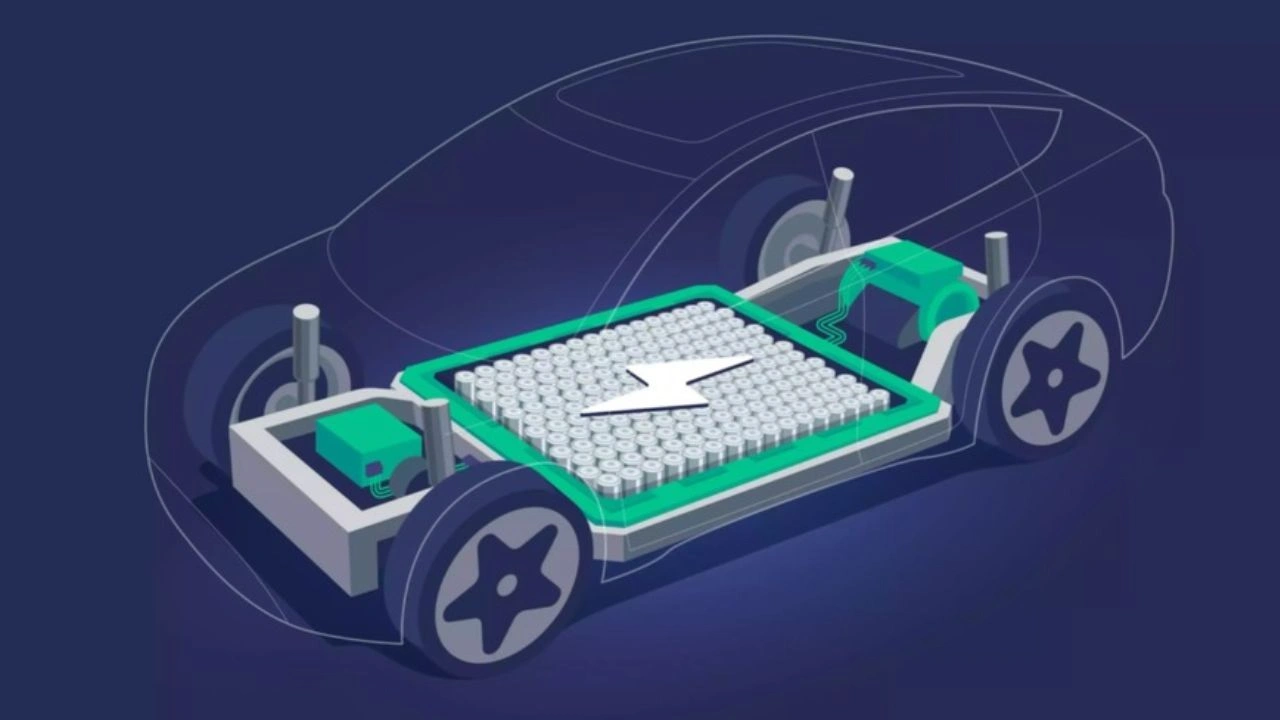
EV Battery Maintenance Costs: Electric vehicles (EVs) are often praised for their lower running costs, reduced environmental impact, and simplified mechanical design compared to internal combustion engine (ICE) vehicles. However, one component continues to raise questions and concerns among current and prospective EV owners: the battery. The EV battery is both the most valuable and the most critical part of an electric vehicle, and understanding its maintenance costs, lifespan, and replacement pricing is essential for making informed ownership decisions.
While EV batteries are designed to last many years, their longevity is not guaranteed and their replacement cost can be significant. This article provides an in-depth, plagiarism-free explanation of EV battery maintenance costs, the factors that influence battery lifespan, real-world replacement pricing, and how owners can maximize battery health over time.
Understanding the Role of the EV Battery
The battery pack serves as the heart of an electric vehicle. It stores electrical energy, supplies power to the motor, and supports auxiliary systems such as climate control and electronics. Most modern EVs use lithium-ion battery technology, similar in chemistry to batteries used in smartphones and laptops but engineered on a much larger and more robust scale.
EV batteries are composed of thousands of individual cells grouped into modules and managed by a battery management system (BMS). The BMS plays a vital role in monitoring temperature, charge levels, and overall battery health, ensuring safety and efficiency. Because of this complexity, battery maintenance is less about physical servicing and more about usage patterns, software management, and environmental conditions.
What “Battery Maintenance” Really Means for EVs
Unlike traditional vehicles that require regular oil changes, engine servicing, and fuel system maintenance, EVs have far fewer moving parts. EV battery maintenance does not involve routine mechanical repairs but instead focuses on preserving battery health through proper charging, thermal management, and software updates.
Key aspects of EV battery maintenance include:
- Managing charging habits
- Avoiding extreme temperatures
- Ensuring proper cooling and thermal regulation
- Keeping software and firmware up to date
- Monitoring battery degradation over time
Most EV manufacturers design batteries to be largely maintenance-free, but owner behaviour plays a major role in determining how long a battery performs at an acceptable level.
Read Also: Tesla Model 3 EV 2026: The Electric Sedan That Continues to Redefine Global EV Standards
Average Lifespan of an EV Battery
Modern EV batteries are engineered to last between 8 and 15 years, depending on usage, climate, and technology. Many manufacturers provide battery warranties ranging from 8 years or 100,000 miles to 10 years or more, typically guaranteeing a minimum capacity retention (often around 70%).
Battery lifespan is usually measured not by whether it completely fails, but by how much usable capacity it retains. Over time, batteries gradually lose their ability to hold a full charge—a process known as degradation. A battery that retains 70–80% of its original capacity may still be functional but offer reduced driving range.
Real-world data increasingly shows that many EV batteries outlast early expectations, with degradation rates slowing after the first few years of use.
Factors That Impact EV Battery Longevity
1. Charging Habits
Charging behavior is one of the most important factors influencing battery health. Frequently charging to 100% or allowing the battery to drop to 0% can accelerate degradation.
Best practices include:
- Keeping the battery charge between 20% and 80% for daily use
- Avoiding frequent deep discharges
- Using fast charging sparingly
DC fast charging generates more heat and stress on battery cells, which can reduce long-term capacity if used excessively. Occasional fast charging is generally safe, but relying on it as a primary charging method may shorten battery lifespan.
2. Temperature and Climate Conditions
Temperature plays a crucial role in battery performance and longevity. Extreme heat and extreme cold both negatively affect lithium-ion batteries.
- High temperatures accelerate chemical degradation inside the battery
- Cold temperatures reduce efficiency and temporarily limit range
Most EVs are equipped with active thermal management systems to regulate battery temperature, but vehicles operated consistently in very hot climates may experience faster long-term degradation if not properly managed.
3. Driving Patterns and Usage Intensity
Aggressive driving, frequent hard acceleration, and sustained high speeds place additional load on the battery. Similarly, using the vehicle for constant long-distance travel increases charge cycles, which contributes to wear over time.
That said, EV batteries are designed to handle normal driving demands. Moderate, consistent usage tends to be better for battery health than long periods of inactivity or extremely high daily mileage.
4. Battery Chemistry and Design
Not all EV batteries are created equal. Different chemistries offer different trade-offs between cost, energy density, longevity, and safety.
Common EV battery chemistries include:
- Lithium Nickel Manganese Cobalt (NMC)
- Lithium Iron Phosphate (LFP)
- Lithium Nickel Cobalt Aluminum (NCA)
LFP batteries, for example, tend to have longer cycle life and better thermal stability, but lower energy density compared to NMC batteries. As battery technology evolves, newer chemistries are improving durability and reducing replacement costs.
5. Software and Battery Management Systems
Battery health is closely tied to how well the BMS manages charging, discharging, and thermal conditions. Software updates can improve battery efficiency, optimize charging curves, and even slow degradation.
Manufacturers increasingly use over-the-air updates to refine battery management. Ignoring software updates can result in missed improvements that directly affect battery longevity.
EV Battery Maintenance Costs: What Owners Can Expect
One of the biggest advantages of EV ownership is lower overall maintenance costs compared to ICE vehicles. There are no oil changes, spark plugs, timing belts, or exhaust systems. Battery maintenance costs are typically minimal on a yearly basis.
Common battery-related maintenance expenses include:
- Diagnostic checks (often included in service plans)
- Software updates (usually free)
- Cooling system inspections (low cost)
- Occasional replacement of battery coolant
In most cases, annual battery maintenance costs are negligible compared to traditional vehicle maintenance, often amounting to little or nothing beyond routine inspections.
Understanding EV Battery Replacement Costs
Battery replacement is the most significant potential expense associated with EV ownership. While replacements are rare during the warranty period, understanding the cost structure is essential.
Average Replacement Costs
EV battery replacement costs vary widely depending on:
- Vehicle model and battery size
- Battery chemistry
- Labor costs
- Region and market conditions
On average:
- Smaller EV battery packs may cost $4,000–$8,000
- Mid-range EV battery packs often range from $8,000–$15,000
- Large, long-range battery packs can exceed $20,000
These figures include parts and labor but are steadily declining as battery prices fall globally.
Declining Battery Prices Over Time
Over the past decade, lithium-ion battery costs have dropped dramatically. Advances in manufacturing, economies of scale, and improved supply chains continue to reduce prices.
Many analysts expect battery replacement costs to fall further, making replacements more affordable by the time most early EVs reach end-of-life battery conditions. This trend significantly improves the long-term cost outlook for EV ownership.
Partial Replacement and Module Repairs
In many cases, a full battery replacement is not necessary. Modern EV battery packs are modular, allowing individual modules or cells to be replaced instead of the entire pack.
This approach can:
- Reduce repair costs
- Extend overall battery life
- Minimize waste
However, not all manufacturers or service centers currently offer module-level repairs, and availability varies by region.
Battery Warranties and What They Cover
Battery warranties play a critical role in managing replacement costs. Most EV manufacturers offer robust battery warranties that cover:
- Manufacturing defects
- Excessive degradation
- Complete battery failure
Typical warranties guarantee that the battery will retain at least 70% capacity during the warranty period. If the battery degrades beyond this threshold, the manufacturer may repair or replace it at no cost.
Understanding warranty terms is essential, as coverage conditions, mileage limits, and exclusions vary between brands.
Second-Life and Refurbished EV Batteries
As EV adoption grows, second-life battery applications are becoming more common. Batteries that no longer meet vehicle performance standards may still be suitable for stationary energy storage.
Refurbished or reconditioned batteries can:
- Lower replacement costs
- Extend battery utility
- Support renewable energy storage systems
In the future, used EV batteries may significantly reduce replacement pricing and create a secondary market that benefits both consumers and the energy sector.
Recycling and Sustainability Considerations
Battery recycling is a growing industry. Modern recycling processes can recover valuable materials such as lithium, cobalt, nickel, and copper.
Sustainable recycling:
- Reduces environmental impact
- Lowers raw material costs
- Supports circular economy models
As recycling infrastructure improves, battery replacement costs may decline further due to material recovery and reuse.
How to Maximize EV Battery Life and Minimize Costs
EV owners can take several practical steps to protect battery health and reduce long-term costs:
- Avoid daily charging to 100% unless necessary
- Minimize frequent fast charging
- Park in shaded or climate-controlled areas when possible
- Follow manufacturer charging recommendations
- Keep vehicle software updated
- Drive smoothly and avoid excessive high-speed driving
These habits can significantly slow degradation and extend usable battery life.
Comparing EV Battery Costs to ICE Vehicle Ownership
When evaluating battery replacement costs, it is important to compare them to long-term ICE vehicle expenses. Over a similar ownership period, ICE vehicles incur costs related to:
- Engine repairs
- Transmission failures
- Fuel system maintenance
- Emissions-related components
Many studies show that total lifetime ownership costs of EVs are often lower, even when factoring in potential battery replacement.
Read Also: Ultraviolette F77: India’s High-Performance Electric Motorcycle That Redefined Electric Riding
The Future of EV Battery Technology and Costs
Battery technology continues to evolve rapidly. Solid-state batteries, improved lithium-ion chemistries, and alternative materials promise:
- Longer lifespans
- Faster charging
- Lower costs
- Improved safety
As these innovations reach mass production, battery maintenance and replacement concerns are expected to diminish further. The future of EV batteries points toward longer-lasting, more affordable, and more sustainable solutions.
Conclusion
EV battery maintenance costs are often misunderstood and overstated. In reality, most EV owners experience minimal battery-related expenses during normal ownership periods. While replacement costs can be high, declining battery prices, strong warranties, and advancing technology significantly reduce financial risk.
By understanding what impacts battery longevity and taking proactive steps to protect battery health, EV owners can enjoy reliable performance, lower maintenance costs, and long-term value. As electric mobility continues to mature, EV batteries are becoming not a liability, but a cornerstone of efficient and sustainable transportation.