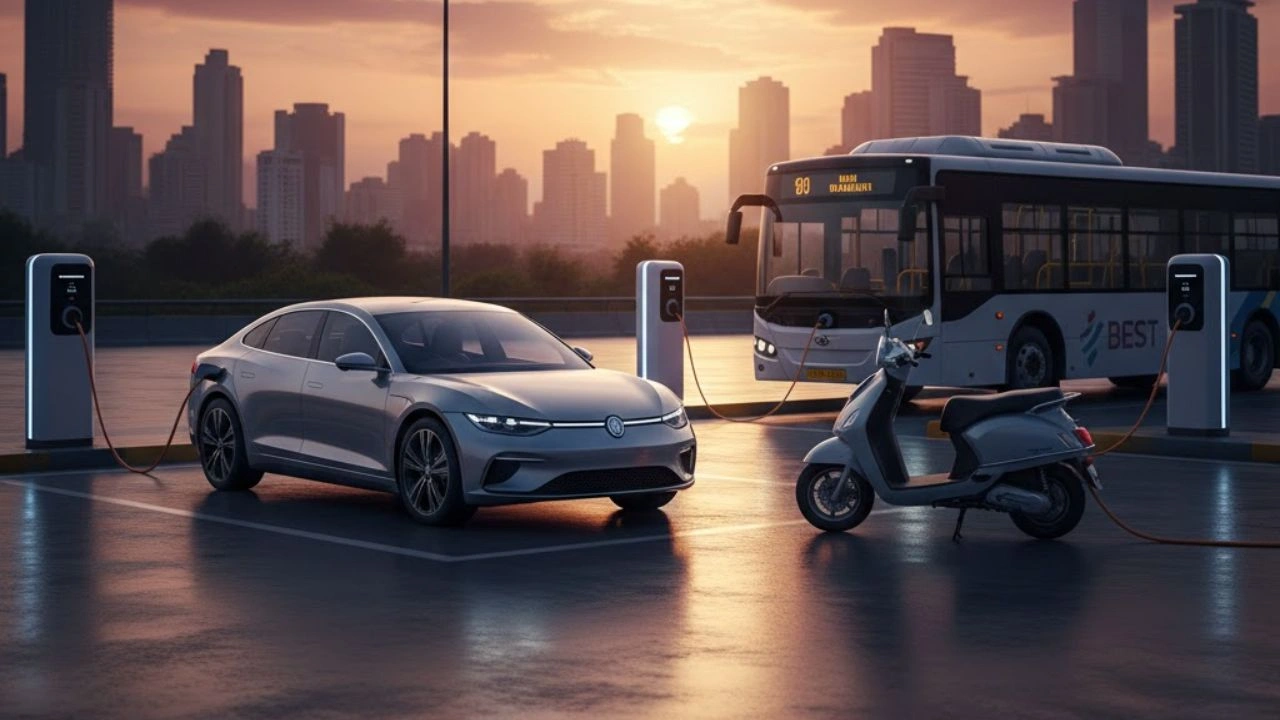
Maharashtra’s new EV policy introduces generous subsidies, tax exemptions, and charging infrastructure support to accelerate electric mobility across the state.
Electric vehicles are rapidly transforming transportation in India, and Maharashtra is taking a decisive step to lead this transformation. The Maharashtra Electric Vehicle Policy 2025 has been introduced with the clear goal of making EV ownership affordable, expanding charging infrastructure, and encouraging clean mobility for individuals as well as businesses.
This detailed guide explains the subsidy structure, incentives for different vehicle categories, eligibility, charging infrastructure plans, and long-term impact of the policy in a simple and practical way.
Why Maharashtra Introduced a New EV Policy
Maharashtra is one of India’s largest automobile markets and an important manufacturing hub. Rising fuel costs, urban air pollution, and climate commitments created the need for a strong policy push toward electric mobility.
The 2025 policy focuses on:
- Reducing pollution in major cities
- Lowering dependence on fossil fuels
- Supporting EV manufacturing and investment
- Making EVs affordable for common buyers
- Expanding public charging infrastructure
By addressing both demand and supply, the state aims to accelerate EV adoption at scale.
Read Also:India EV Market Surges 51% in January 2026 as Tata Motors Dominates
Key Highlights of Maharashtra EV Policy 2025
The policy offers financial incentives, tax benefits, infrastructure funding, and industrial support across multiple vehicle categories.
1. Purchase Subsidies for Different EV Segments
One of the most attractive features is the direct subsidy on vehicle purchase.
Passenger Electric Cars
- Subsidy of up to ₹1.5 lakh for a limited number of early buyers.
- Encourages private users to shift from petrol and diesel cars.
Fleet and Commercial Cars
- Incentives up to ₹2 lakh for commercial passenger vehicles.
- Supports taxis, corporate fleets, and shared mobility services.
Electric Light Commercial Vehicles
- Subsidy of around ₹1 lakh for eligible cargo vehicles.
- Promotes clean logistics and last-mile delivery.
Electric Buses
- Financial support reaching ₹20 lakh per bus.
- Helps public transport and private operators electrify fleets.
Two-Wheelers and Three-Wheelers
- Direct incentives for electric scooters, rickshaws, and cargo three-wheelers.
- Makes EVs accessible to daily commuters and small businesses.
These subsidies are designed to ensure every major vehicle category benefits, not just private cars.
2. Complete Road Tax and Registration Fee Exemption
EV buyers in Maharashtra receive major savings at the time of purchase:
- 100% road tax waiver
- Full exemption from registration charges
This significantly lowers the total on-road price, making EVs competitive with traditional vehicles.
3. Toll Fee Waivers for Electric Vehicles
To further encourage adoption, the policy provides toll exemptions on selected expressways and major routes.
This benefit is especially useful for:
- Daily commuters
- Intercity travelers
- Commercial logistics operators
Lower travel costs improve the overall economics of EV ownership.
4. Strong Push for Charging Infrastructure
A successful EV ecosystem depends on reliable charging availability.
The policy introduces multiple infrastructure measures:
- Fast chargers at fuel stations along highways
- Financial support for public charging stations
- Simplified approval process through online single-window clearance
- Incentives for high-capacity charging for buses and trucks
These steps aim to reduce range anxiety and make long-distance EV travel practical.
5. Support for EV Manufacturing and Investment
Beyond consumer incentives, Maharashtra is positioning itself as a major EV production hub.
The policy includes:
- Industrial incentives for EV and battery manufacturers
- Support for component supply chains
- Encouragement for large-scale investment projects
- Promotion of research and innovation in clean mobility
This approach helps create jobs, technology development, and long-term economic growth.
Read Also: Toyota Teases Its First Three-Row Electric SUV: A Bold Step Into the Family EV Future
Estimated Subsidy by Vehicle Type
Here is a simplified overview of potential benefits:
- Electric cars: Up to ₹1.5 lakh (higher for fleets)
- Commercial EVs: Around ₹1–2 lakh depending on category
- Electric buses: Up to ₹20 lakh support
- Two-wheelers: Direct purchase incentives for early buyers
- Three-wheelers: Financial assistance for passenger and cargo use
Actual benefits may vary based on eligibility, vehicle model, and purchase timing.
Who Can Benefit From the Policy?
The Maharashtra EV Policy supports a wide range of users:
- Individual vehicle buyers
- Taxi and ride-sharing operators
- Delivery and logistics companies
- Public transport agencies
- Fleet owners and corporate mobility providers
This inclusive structure ensures broad participation in the EV transition.
How to Claim EV Subsidies in Maharashtra
The subsidy process is designed to be simple and buyer-friendly.
Basic Steps
- Select an eligible electric vehicle model.
- Purchase from an authorized dealer.
- Dealer submits required details to authorities.
- Application is verified and approved.
- Subsidy is adjusted in the purchase price or reimbursed.
Some commercial buyers may need additional documentation or direct portal registration.
Long-Term Impact of Maharashtra EV Policy 2025
The policy is expected to create significant environmental and economic benefits.
Environmental Gains
- Reduction in air pollution
- Lower greenhouse gas emissions
- Cleaner urban transportation
Economic Advantages
- Growth of EV manufacturing ecosystem
- Job creation in clean energy and mobility
- Reduced fuel import dependence
Consumer Benefits
- Lower running and maintenance costs
- Affordable upfront purchase through subsidies
- Improved charging convenience
Together, these outcomes support a sustainable mobility future.
Challenges to Watch
Despite strong incentives, a few challenges remain:
- Rapid expansion of charging infrastructure is required
- Awareness among rural buyers is still limited
- Timely subsidy processing must be ensured
Addressing these factors will determine the policy’s real-world success.
Conclusion
The Maharashtra EV Policy 2025 represents one of the most comprehensive state-level electric mobility initiatives in India. By combining purchase subsidies, tax exemptions, toll benefits, charging infrastructure funding, and manufacturing incentives, the policy creates a powerful foundation for rapid EV adoption.
For individuals, EV ownership becomes more affordable and practical.
For businesses, electrification becomes financially viable.
For the environment, the shift promises cleaner air and reduced emissions.
As electric mobility continues to grow, Maharashtra’s forward-looking approach could serve as a model for other Indian states, accelerating the country’s journey toward a greener transportation future.