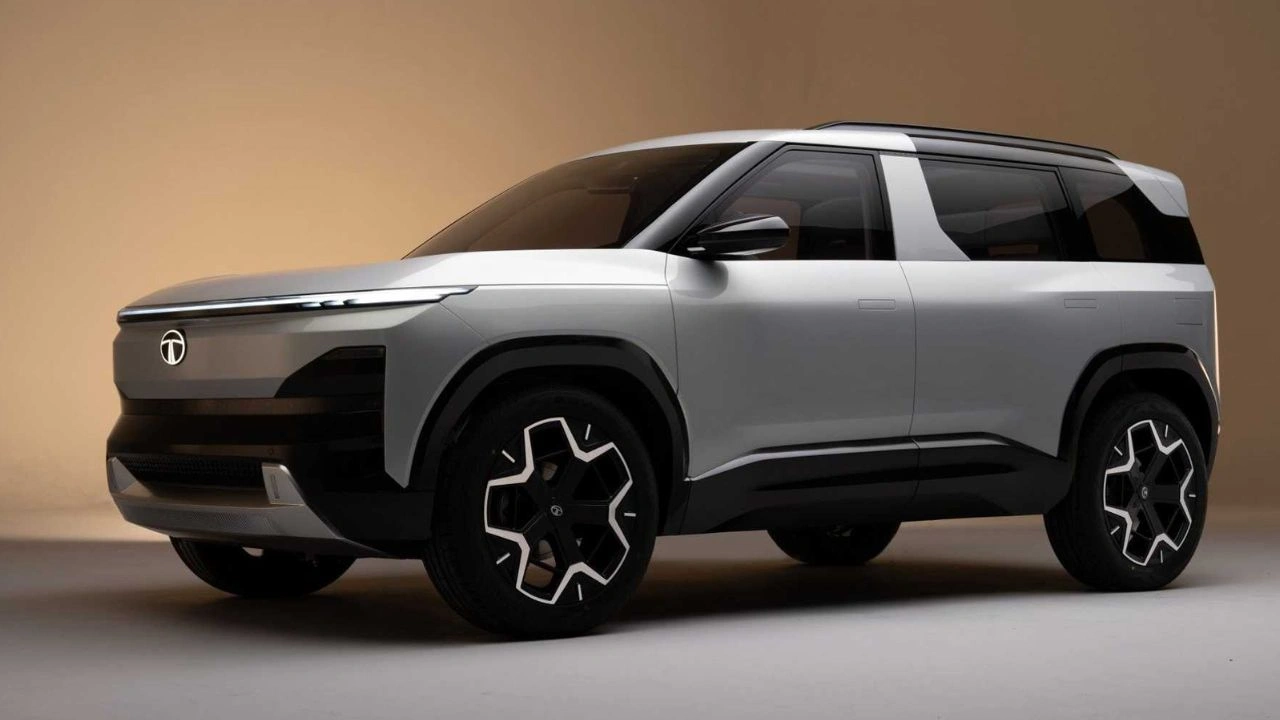
Tata Sierra EV revives a beloved nameplate with modern electric power, bold design, and mass-market ambition.
Few car names in India evoke as much nostalgia as the Tata Sierra. Originally launched in the 1990s, the Sierra was ahead of its time—stylish, aspirational, and distinctly Indian. Now, more than three decades later, the name is returning in a completely new avatar: the Tata Sierra EV, an all-electric SUV expected to launch on January 26, 2026, with an estimated price of Rs 15 lakh.
The Sierra EV is not just another electric SUV. It represents Tata Motors’ vision of blending heritage with future-ready electric mobility, targeting Indian families, young professionals, and first-time EV buyers alike. With bold design, practical range, competitive pricing, and Tata’s proven EV expertise, the Sierra EV could become one of the most important electric car launches in India.
This in-depth, plagiarism-free article explores everything you need to know about the Tata Sierra EV—its design, performance, battery technology, features, safety, pricing strategy, competition, and its role in shaping India’s electric future.
Tata Motors and India’s EV Leadership
Tata Motors has played a pioneering role in India’s electric vehicle revolution. With a strong portfolio of electric cars already on the road, Tata has built deep experience in battery technology, power electronics, software integration, and EV manufacturing at scale.
The Sierra EV is expected to take this expertise to the next level by targeting a broader audience. While Tata’s earlier EVs focused on hatchbacks and compact SUVs, the Sierra EV aims to deliver a stylish, spacious, and affordable electric SUV that appeals to mainstream Indian buyers.
By reviving the Sierra name, Tata is also tapping into emotional value—something few automakers can successfully achieve.
Read Also: Leapmotor C10 EV: China’s Rising Electric SUV Aims to Redefine the Global EV Market
Exterior Design: Retro Inspiration Meets Futuristic Styling
The Tata Sierra EV’s design is expected to be one of its biggest talking points. Drawing inspiration from the original Sierra, the electric version reinterprets classic elements through a modern, futuristic lens.
Expected exterior design highlights include:
- Boxy yet aerodynamic SUV silhouette
- Large, wraparound glass area reminiscent of the original Sierra
- Closed-off EV grille with LED lighting signature
- Sharp LED headlamps and tail lamps
- Bold wheel arches and SUV stance
Unlike many EVs that look overly futuristic, the Sierra EV aims for a balanced design—one that feels premium, distinctive, and instantly recognizable. This blend of nostalgia and innovation could strongly resonate with Indian buyers.
Interior Design: Spacious, Modern, and Family-Friendly
Inside the Tata Sierra EV, the focus is expected to be on space, comfort, and modern usability. Built on a dedicated or heavily modified EV platform, the Sierra EV should offer a flat floor and excellent cabin room.
Anticipated interior features include:
- Large touchscreen infotainment system
- Fully digital instrument cluster
- Lounge-style seating with ample legroom
- Practical storage solutions throughout the cabin
- Premium yet durable interior materials
The Sierra EV is expected to feel open and airy, thanks to large windows and smart packaging. Tata’s recent focus on interior quality suggests a significant upgrade over older-generation models.
Electric Powertrain and Performance Philosophy
The Tata Sierra EV is not expected to chase extreme performance figures. Instead, it will focus on smooth, confident, and efficient driving, suitable for both city and highway use.
Expected performance characteristics include:
- Single electric motor configuration
- Power output optimized for daily usability
- Instant torque for effortless acceleration
- Quiet, vibration-free driving experience
Electric torque delivery will make the Sierra EV feel responsive in traffic, while highway cruising should remain relaxed and stable—ideal for Indian road conditions.
Battery Technology and Driving Range
Range remains the most critical factor for EV buyers, and Tata is expected to deliver a well-balanced solution with the Sierra EV.
Projected battery and range expectations include:
- Lithium-ion battery pack using Tata’s EV expertise
- Estimated real-world range of 400–450 km
- Efficient regenerative braking system
- Advanced battery thermal management
This range positions the Sierra EV as a practical all-rounder, capable of handling daily commuting as well as weekend highway trips without frequent charging stops.
Charging Capabilities and Ease of Ownership
Charging convenience is crucial for mass-market EV adoption, and Tata Motors is expected to offer flexible and user-friendly charging solutions.
Expected charging features include:
- Home AC charging compatibility
- DC fast charging for quicker highway top-ups
- Smart charging protection to enhance battery life
- Integration with India’s expanding public charging network
Tata’s growing EV ecosystem, including service support and charging partnerships, is likely to make Sierra EV ownership stress-free even for first-time EV buyers.
Technology and Infotainment: Smart, Simple, and Reliable
The Tata Sierra EV is expected to follow Tata’s recent philosophy of offering useful technology without unnecessary complexity.
Expected tech features include:
- Touchscreen infotainment with navigation
- Smartphone connectivity via Android Auto and Apple CarPlay
- Connected car features for vehicle monitoring
- Over-the-air software updates (select features)
Rather than overwhelming users, the Sierra EV’s technology will likely focus on reliability, convenience, and safety—qualities valued by Indian families.
Safety: Built with Indian Conditions in Mind
Safety is a growing priority for Indian car buyers, and Tata has built a strong reputation in this area. The Sierra EV is expected to carry this legacy forward.
Anticipated safety features include:
- Multiple airbags
- ABS with electronic brake-force distribution
- Electronic stability control
- Rear camera and parking sensors
The electric architecture’s low center of gravity will further enhance handling stability and rollover resistance, contributing to overall safety.
Pricing Strategy: Affordable Electric SUV at Rs 15 Lakh
With an estimated price of Rs 15 lakh, the Tata Sierra EV is positioned to be one of the most affordable mid-size electric SUVs in India.
This pricing strategy is significant because it:
- Makes electric SUVs accessible to middle-class families
- Competes directly with petrol and diesel SUVs
- Benefits from lower running and maintenance costs
Tata’s ability to localize components and manufacture at scale gives it a major advantage in keeping prices competitive.
Target Audience: Who Is the Tata Sierra EV For?
The Tata Sierra EV is designed for a wide range of buyers, including:
- Families upgrading from hatchbacks or compact SUVs
- First-time EV buyers seeking a trusted brand
- Urban professionals wanting a stylish electric SUV
- Buyers looking to reduce fuel and maintenance expenses
Its blend of affordability, space, and brand trust makes it particularly appealing beyond metro cities.
Competition in the Indian EV SUV Market
By 2026, the electric SUV segment in India will be crowded. However, the Sierra EV stands out due to:
- Iconic nameplate revival
- Competitive pricing
- Practical driving range
- Tata’s strong EV credibility
These factors could give the Sierra EV a strong edge over newer, less-proven competitors.
Read Also: Maruti e Vitara EV: The Electric SUV Set to Reshape Affordable EV Mobility in India by 2026
Environmental Impact and Sustainability
The Tata Sierra EV supports India’s sustainability goals by offering:
- Zero tailpipe emissions
- Reduced urban air pollution
- Lower noise levels in cities
- Improved energy efficiency
Mass-market EVs like the Sierra EV are essential for reducing India’s overall carbon footprint.
Market Expectations and Industry Buzz
Since its concept reveal, the Tata Sierra EV has generated strong excitement among auto enthusiasts and industry experts. Many see it as a potential bestseller that could significantly boost EV adoption in India.
If Tata delivers on range, pricing, and quality, the Sierra EV could become a landmark electric SUV, much like the original Sierra was in its time.
Conclusion: A Heritage Name Driving India’s Electric Future
The Tata Sierra EV is more than a new electric SUV—it is a symbol of how Indian automotive heritage can evolve into a sustainable future. By combining nostalgic design elements with modern electric technology, Tata Motors is creating a vehicle that speaks to both emotion and practicality.
As the January 26, 2026 expected launch date approaches, anticipation will only grow. If Tata executes its strategy well, the Sierra EV could become one of India’s most important electric car launches, bringing electric mobility closer to the mainstream than ever before.
3 thoughts on “Tata Sierra EV: The Legendary SUV Reborn as an Electric Icon for India in 2026”