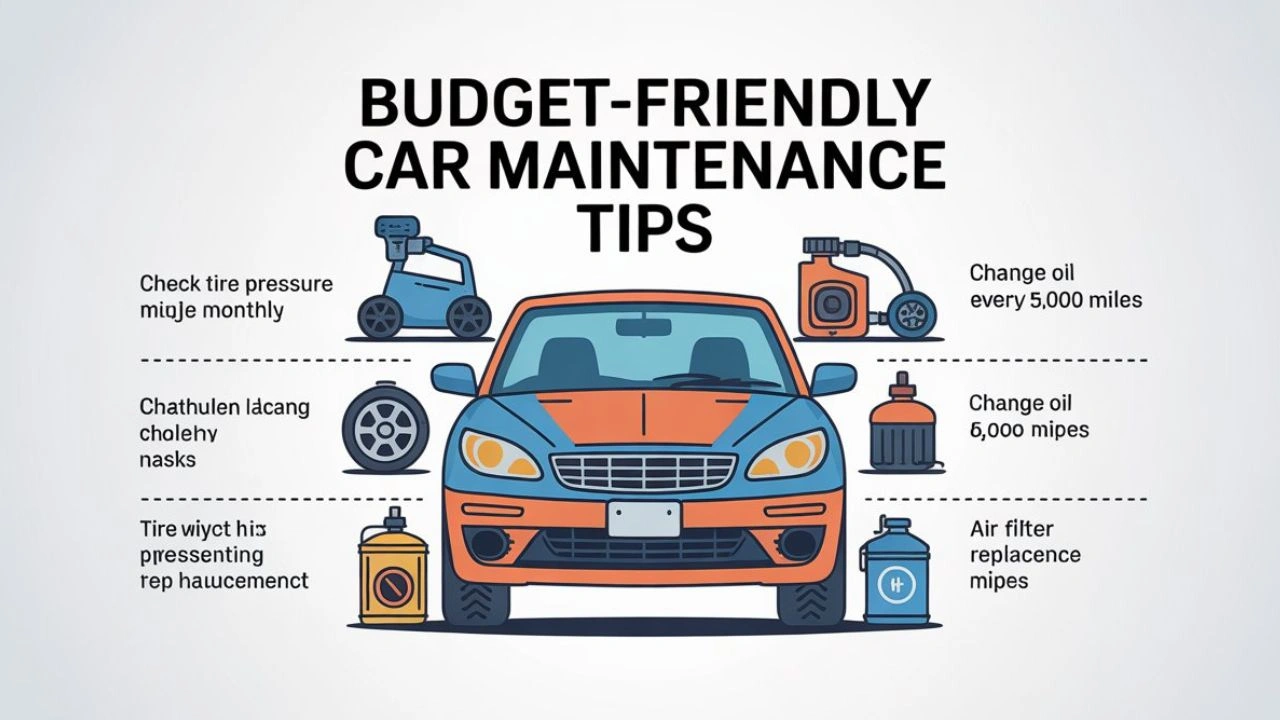
Owning a car is one of the biggest ongoing expenses for most people, and maintenance costs can quickly spiral out of control if you are not careful. Many drivers assume that extending a vehicle’s lifespan requires expensive service packages, premium parts, or constant trips to the repair shop. In reality, some of the most effective car maintenance strategies are also the most affordable.
The truth is simple: cars do not usually fail suddenly. They wear down slowly due to neglect, poor habits, and missed opportunities for low-cost preventive care. With the right approach, you can add years to your car’s life, improve reliability, and save thousands of dollars—without overspending.
This guide provides budget-friendly car maintenance tips that actually work, backed by real-world automotive experience and designed to help everyday drivers make smarter decisions. Whether you drive an older gasoline car, a hybrid, or a modern vehicle with advanced technology, these strategies are practical, affordable, and proven.
Why Budget-Friendly Maintenance Matters More Than Ever
Modern vehicles are more reliable than ever, but they are also more complex. While engines last longer and corrosion protection has improved, repairs have become more expensive due to electronics, sensors, and integrated systems.
This makes preventive maintenance the most cost-effective strategy. Small, affordable actions taken consistently prevent large, expensive failures later.
Budget-friendly maintenance is not about cutting corners—it is about spending money wisely, at the right time, on the right tasks.
Tip1: Follow the Maintenance Schedule—Not the Dealership Upsell
Every car comes with a manufacturer-recommended maintenance schedule. This document is your most valuable maintenance tool, and it is free.
Key benefits of following it:
- Prevents premature wear
- Protects warranty coverage
- Avoids unnecessary services
- Ensures critical systems are inspected
Many drivers overspend by agreeing to services that are not yet required. Others underspend by skipping essential ones. The schedule strikes the balance between cost and longevity.
Stick to it closely, and question any service not listed unless a real issue exists.
Read Also: Ultraviolette Tesseract Review 2026: Range, Performance, Features & Ownership Guide
Tip2: Check Fluids Regularly—It Costs Nothing
Low or dirty fluids are among the most common causes of expensive repairs. Fortunately, checking them costs nothing but a few minutes.
Important fluids to monitor:
- Engine oil
- Coolant
- Brake fluid
- Power steering fluid (if applicable)
- Windshield washer fluid
Keeping fluids at proper levels prevents overheating, friction damage, and system failure. A $5 top-up can prevent a $5,000 repair.
Make it a monthly habit.
Tip3: Change Engine Oil on Time (Not Too Early, Not Too Late)
Oil changes are often misunderstood. Changing oil too late causes damage; changing it too early wastes money.
Use:
- The manufacturer’s recommended oil type
- The correct change interval based on driving conditions
Modern engines and synthetic oils last longer than older designs. Overchanging oil is unnecessary and expensive, while underchanging leads to sludge and wear.
Smart oil maintenance is one of the most cost-effective ways to extend engine life.
Tip4: Keep Tires Properly Inflated and Rotated
Tires affect far more than traction. Proper tire care improves:
- Fuel efficiency
- Suspension longevity
- Steering components
- Braking performance
Underinflated tires wear unevenly, reduce mileage, and strain suspension parts. Overinflated tires reduce grip and comfort.
Check tire pressure monthly and rotate tires as recommended. These simple steps:
- Extend tire life
- Prevent costly alignment issues
- Improve overall vehicle safety
Tire maintenance is one of the highest-return, lowest-cost habits.
Tip5: Replace Air Filters Before They Become a Problem
Air filters are inexpensive and easy to replace, yet often neglected.
There are two main filters:
- Engine air filter
- Cabin air filter
A clogged engine air filter reduces fuel efficiency and increases engine strain. A dirty cabin filter affects HVAC performance and interior air quality.
Replacing filters on time improves efficiency and comfort at a very low cost.
Tip6: Pay Attention to Warning Signs Early
Unusual noises, vibrations, smells, or warning lights are early warnings—not inconveniences.
Common signs include:
- Grinding or squealing brakes
- Clicking sounds when turning
- Rough idling
- Burning smells
Ignoring small issues allows them to escalate into major failures. Addressing problems early is almost always cheaper than waiting.
Early attention is the foundation of affordable maintenance.
Tip7: Drive Smoothly to Reduce Wear and Tear
Your driving habits directly affect how long your car lasts. Aggressive driving accelerates wear on:
- Brakes
- Tires
- Transmission
- Suspension
- Engine components
Smooth acceleration, gentle braking, and steady speeds reduce stress across all systems.
Good driving habits cost nothing and significantly extend vehicle lifespan.
Tip8: Avoid Short Trips When Possible
Frequent short trips prevent engines from reaching optimal operating temperature. This leads to:
- Increased fuel consumption
- Moisture buildup
- Oil contamination
When possible, combine errands into one longer trip. This allows systems to warm up properly and operate efficiently.
Reducing short trips extends engine and exhaust system life.
Tip9: Keep Your Car Clean—Inside and Out
Cleanliness is not just cosmetic. Dirt, salt, and debris accelerate corrosion and wear.
Budget-friendly cleaning habits include:
- Regular washing, especially in winter
- Cleaning underbody areas
- Vacuuming interior carpets
- Wiping dashboard and controls
Protecting paint and interior materials preserves value and prevents long-term damage.
Tip10: Don’t Ignore Brakes Until They Fail
Brake maintenance is often delayed because brakes still “work.” However, worn brake pads damage rotors, multiplying repair costs.
Signs to watch:
- Squealing or grinding
- Reduced braking performance
- Vibrations when stopping
Replacing pads early is far cheaper than replacing pads and rotors later.
Tip11: Use Quality Parts—But Be Smart About It
Using the cheapest parts can lead to premature failure. Using the most expensive parts is often unnecessary.
Look for:
- OEM-equivalent parts
- Trusted aftermarket brands
- Warranty-backed components
Quality parts last longer, reducing repeat repairs and saving money over time.
Tip12: Learn a Few Simple DIY Tasks
You do not need to be a mechanic to save money. Simple tasks like:
- Replacing air filters
- Changing wiper blades
- Checking tire pressure
- Topping up fluids
These small skills reduce service costs and improve your understanding of your car.
Tip13: Keep Maintenance Records Organized
Maintenance records protect you financially by:
- Preserving warranty coverage
- Increasing resale value
- Helping diagnose issues faster
Digital or physical records are equally effective. Organized documentation prevents repeat services and disputes.
Tip14: Find a Trustworthy Independent Mechanic
Dealership service is not always necessary, especially after warranties expire. A reputable independent mechanic can:
- Offer fair pricing
- Provide honest advice
- Focus on preventive care
Building a long-term relationship with a trusted professional saves money and stress.
Tip15: Prevent Small Electrical Issues Early
Electrical problems often start small—loose connections, weak batteries, or faulty sensors.
Addressing these early prevents:
- Starting issues
- Warning light confusion
- System failures
Battery checks and terminal cleaning are inexpensive and effective.
Tip16: Protect Your Car From Extreme Temperatures
Extreme heat and cold accelerate wear. Budget-friendly protection includes:
- Parking in shade
- Using windshield sunshades
- Avoiding aggressive driving when cold
Temperature awareness extends battery life, protects interiors, and reduces mechanical stress.
Tip17: Don’t Skip Inspections Just Because the Car “Feels Fine”
Periodic inspections catch problems you cannot feel or see. A small inspection fee can prevent thousands in repairs.
Annual or biannual inspections are a smart investment, especially for older vehicles.
Tip18: Focus on Prevention, Not Perfection
Cars do not need to be perfect to last a long time. They need:
- Consistent care
- Early attention to issues
- Reasonable driving habits
Trying to keep a car flawless can be expensive. Keeping it mechanically healthy is affordable and effective.
Read Also: Vida Dirt.E K3 Introduced in India: Hero’s New Electric Dirt Bike for Children
The Real Secret to Extending Your Car’s Lifespan
There is no magic product or secret service that makes a car last forever. Longevity comes from:
- Awareness
- Consistency
- Smart spending
Budget-friendly car maintenance works because it prevents problems before they become expensive.
Conclusion: Small Habits, Big Results
Extending your car’s lifespan does not require expensive upgrades or constant repairs. It requires smart, affordable habits practiced consistently over time.
By following these budget-friendly car maintenance tips, you can:
- Save money
- Reduce breakdowns
- Increase reliability
- Enjoy your vehicle longer
In the end, the most affordable car is the one you do not have to replace.
1 thought on “Budget-Friendly Car Maintenance Tips That Actually Extend Your Car’s Lifespan”