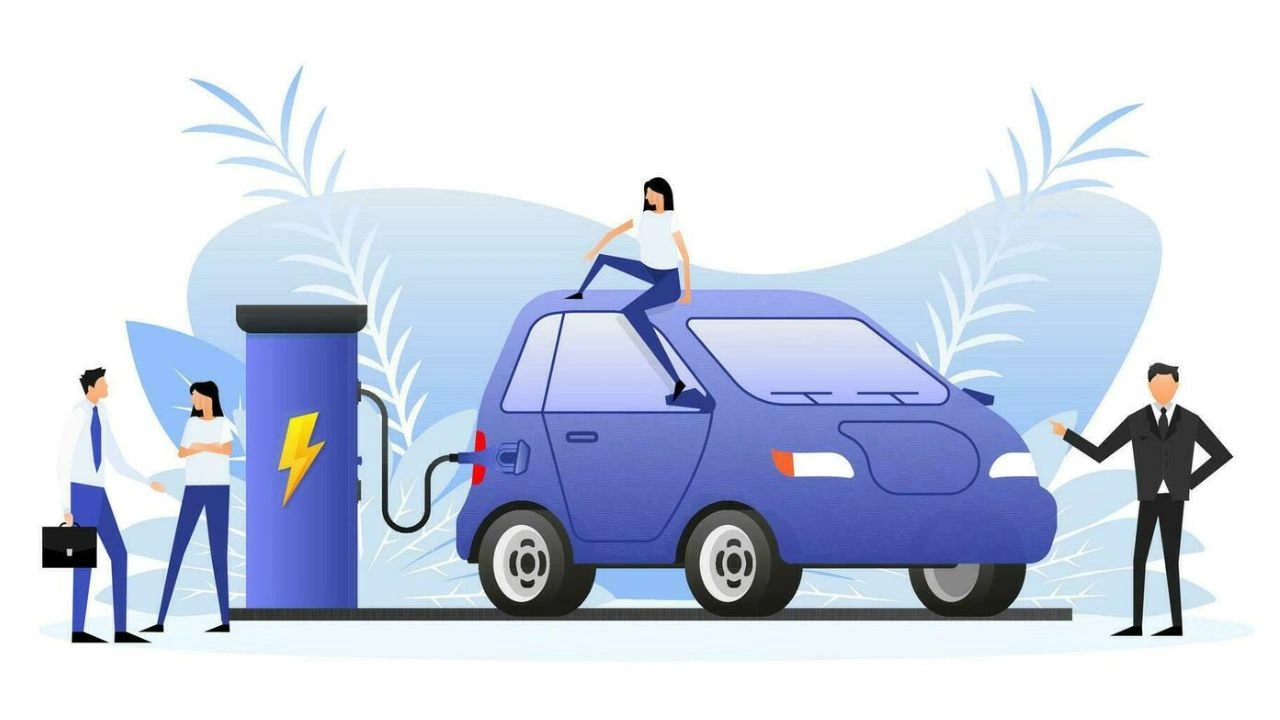
EV Insurance Claim Rejections: Electric vehicle owners face unexpected insurance hurdles as fine-print clauses quietly reshape claim approvals worldwide today.
Electric vehicles (EVs) are often promoted as the future of mobility—cleaner, quieter, and technologically superior. However, as EV adoption accelerates globally, a growing number of owners are discovering a less-discussed downside: insurance claim rejections linked to hidden, EV-specific clauses. These clauses, frequently buried deep within policy documents, can significantly alter coverage outcomes compared to traditional internal combustion engine (ICE) vehicles.
Below, we break down the emerging issue of EV insurance claim rejections, uncover the most common hidden clauses, analyze why insurers include them, and explain what EV owners must do to protect themselves.
The Rise of EV-Specific Insurance Challenges
The rapid growth of electric vehicles has fundamentally changed the risk landscape for insurers. Unlike conventional cars, EVs rely on high-voltage batteries, advanced software, and complex electronics, which introduce new types of risks and costs.
While insurers initially adapted standard motor policies for EVs, many have now quietly introduced specialized clauses that apply only to electric vehicles. These provisions are rarely highlighted during purchase, leaving policyholders unaware until a claim is denied.
This shift has resulted in a sharp increase in disputes, delays, and outright rejections of EV insurance claims, especially for battery damage, fire incidents, and charging-related accidents.
Why Insurers Treat EVs Differently From Petrol and Diesel Cars
At the core of this issue is the insurer’s risk assessment model. Electric vehicles differ from ICE vehicles in several critical ways:
- Battery replacement costs can exceed 40–60% of the vehicle’s value
- Thermal runaway fires behave differently and are harder to extinguish
- Software updates can alter vehicle behavior without physical modification
- Charging infrastructure introduces third-party risks
Because of these factors, insurers argue that EVs require stricter policy conditions. Unfortunately, these conditions are often written in technical or ambiguous language, increasing the likelihood of claim rejection.
Battery Damage Clauses: The Most Common Cause of Rejection
One of the most controversial EV-specific clauses relates to battery damage.
Many EV policies now include language stating that battery damage caused by “gradual degradation,” “manufacturing defects,” or “improper charging” is excluded from coverage. While this may sound reasonable on paper, it becomes problematic in real-world scenarios.
For example:
- Water ingress during flooding may be labeled as improper sealing or maintenance
- Voltage fluctuations during public charging may be classified as external electrical faults
- Sudden battery failure may be blamed on manufacturing defects rather than accidents
As a result, insurers often reject battery-related claims even when the damage appears sudden and unavoidable.
Charging-Related Exclusions You Probably Never Noticed
Another hidden area of concern involves EV charging.
Many insurance policies include clauses that exclude damage occurring while charging the vehicle, unless the charger is certified, installed by an approved technician, and used exactly as specified.
This creates multiple risk points:
- Home chargers installed by local electricians may not meet insurer-defined standards
- Public chargers with faulty grounding can damage vehicles
- Portable chargers used during emergencies may violate policy terms
In such cases, insurers may deny claims by arguing that the charging environment was unsafe or unauthorized, shifting liability entirely to the vehicle owner.
Software Updates and Unauthorized Modifications
Electric vehicles are as much software platforms as they are machines. Over-the-air (OTA) updates routinely change performance, range, braking behavior, and battery management.
Some insurers now include clauses excluding coverage if:
- Software updates are delayed or skipped
- Third-party apps modify vehicle parameters
- Performance modes are activated beyond factory defaults
In claim investigations, insurers may argue that software configuration contributed to the incident, even without clear evidence. This creates a gray area where digital changes can invalidate physical damage claims.
Fire and Thermal Runaway: A Separate Risk Category
EV fires are rare, but when they occur, they are significantly more complex than traditional car fires.
Insurers often classify EV fires under “thermal events”, which may be governed by separate exclusions. These clauses sometimes limit coverage if:
- The fire originated internally in the battery pack
- Fire suppression systems were not immediately available
- The vehicle was parked in a restricted or enclosed area
This distinction allows insurers to argue that thermal runaway is not an “accidental fire”, leading to partial or full claim rejection.
Flood Damage and Water Ingress Exclusions
Flood damage is another area where EV owners face stricter scrutiny.
While water damage in petrol cars is usually covered under comprehensive policies, EV policies may exclude claims if:
- Water enters the battery pack
- The vehicle is driven through water beyond recommended depth
- The manufacturer advises against operation in flooded conditions
Insurers often reference manufacturer manuals, stating that failure to follow operational guidelines constitutes negligence, even during unavoidable natural disasters.
Depreciation Rules Applied Harshly to EV Components
Depreciation has always been part of motor insurance, but EV-specific depreciation rules are often harsher.
In many policies:
- Battery packs depreciate faster than mechanical engines
- Electronic control units (ECUs) are classified as consumables
- Software-related components may have limited insured value
This means that even when claims are approved, payouts may be significantly lower than expected, leaving owners with substantial out-of-pocket expenses.
The Role of Ambiguous Language in Claim Denials
A major reason EV insurance disputes are increasing is ambiguity in policy wording.
Phrases such as:
- “Improper usage”
- “Non-standard charging conditions”
- “Manufacturer-recommended practices”
- “Gradual failure mechanisms”
are rarely defined clearly. This allows insurers wide discretion in interpreting events after an accident.
In legal terms, ambiguity often favors the insurer unless challenged, placing the burden of proof on the policyholder.
Are These Clauses Legal and Enforceable?
From a regulatory standpoint, most of these clauses are technically legal. Insurance regulators typically allow insurers to define coverage terms as long as they are disclosed.
However, consumer protection experts argue that:
- Disclosure does not equal understanding
- EV buyers are rarely informed verbally about these exclusions
- Policy summaries often omit EV-specific limitations
In several countries, consumer courts are beginning to see cases where EV owners challenge claim rejections as unfair or misleading, signaling potential regulatory scrutiny ahead.
How EV Owners Can Protect Themselves
While the insurance landscape remains complex, EV owners can take proactive steps to reduce risk:
- Read the full policy document, not just the summary
- Ensure chargers are installed and certified according to insurer standards
- Document software updates and maintenance records
- Avoid third-party modifications or unofficial accessories
- Choose insurers offering EV-specific transparent policies
Being informed is currently the strongest defense against unexpected claim rejection.
Read Also: Ultraviolette F77: India’s High-Performance Electric Motorcycle That Redefined Electric Riding
What Insurers Should Do to Restore Trust
From an industry perspective, insurers face a trust deficit among EV owners. To address this, experts recommend:
- Clear labeling of EV-only exclusions
- Simplified language for battery and charging clauses
- Dedicated EV insurance products rather than modified ICE policies
- Training claim assessors specifically for EV technology
Transparency, not complexity, will determine long-term credibility in the EV insurance market.
The Future of EV Insurance: Change Is Inevitable
As electric vehicles become mainstream, pressure will increase on insurers to standardize coverage and reduce ambiguity.
Regulators may soon require:
- Separate disclosure sections for EV-specific exclusions
- Minimum battery coverage standards
- Clear definitions for charging-related liabilities
Until then, EV owners must navigate a transitional period where innovation in mobility outpaces innovation in insurance clarity.