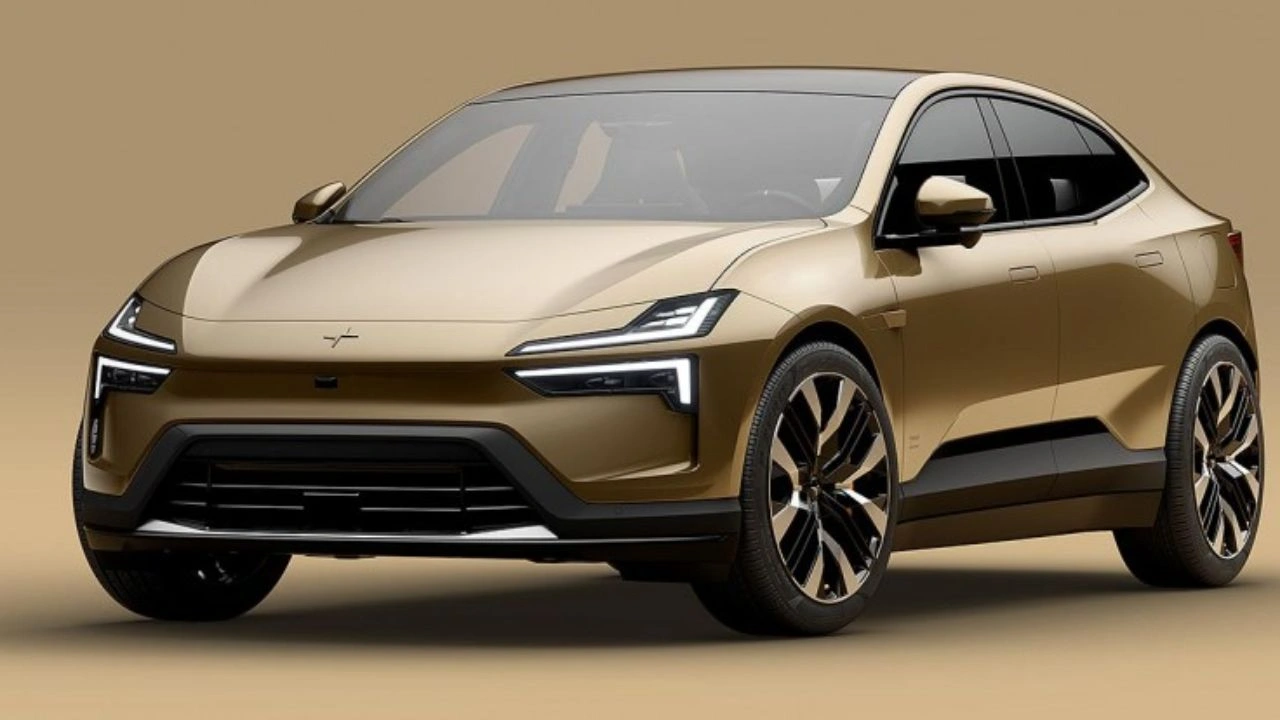
Polestar $400 million equity investment: A major capital infusion strengthens Polestar’s balance sheet, boosts liquidity, and signals renewed confidence in its long-term electric mobility strategy.
Swedish electric vehicle manufacturer Polestar has secured a significant US $400 million equity investment, marking a crucial moment in its ongoing efforts to stabilize finances, scale operations, and compete more aggressively in the increasingly crowded global EV market. The funding round reflects growing institutional confidence in Polestar’s long-term vision, even as the electric vehicle sector navigates a challenging period marked by price wars, margin pressure, and shifting consumer demand.
The new equity injection comes at a strategically important time for Polestar. As the company expands its product lineup, ramps up global production, and targets sustainable profitability, access to fresh capital provides breathing room—and momentum. More importantly, the structure of the deal highlights how major financial institutions continue to view Polestar as a credible long-term player in the premium EV segment.
Details of the $400 Million Equity Investment
The newly announced $400 million equity investment is being provided equally by Feathertop Funding Limited and Standard Chartered Bank (Hong Kong). Each institution is contributing $200 million, creating a balanced funding structure that limits concentration of ownership while ensuring substantial financial backing.
Feathertop Funding Limited is a special purpose vehicle consolidated into Sumitomo Mitsui Banking Corporation (SMBC), one of the world’s largest and most influential financial institutions. The involvement of SMBC-linked entities alongside Standard Chartered underscores the institutional confidence behind this funding round.
Importantly, the transaction has been structured so that neither investor will hold more than 10% of Polestar’s outstanding equity, helping the company maintain strategic flexibility and avoid excessive dilution of existing shareholders.
Read Also: Electric Vehicle Subsidies in India: A Complete Guide 2026
Strategic Financing Structure Reduces Risk
A notable aspect of this funding round is the inclusion of put option agreements. Both investors have secured these options with a subsidiary of Geely Sweden Holdings, Polestar’s majority owner. The agreements allow the investors a potential exit after three years under predefined return conditions.
This structure mirrors a financing arrangement Polestar completed in late 2025, suggesting a repeatable and carefully designed funding model that balances investor security with Polestar’s operational independence. For Polestar, this approach reduces long-term risk while providing immediate access to much-needed capital.
The transaction is expected to close by early February 2026, subject to customary regulatory approvals.
Strengthening Liquidity and the Balance Sheet
Polestar has been clear about the primary purpose of this equity injection: strengthening liquidity and improving balance sheet resilience. The global EV market has become increasingly competitive, with intense pricing pressure and high capital requirements for research, development, and manufacturing.
In this environment, liquidity is not just a safety net—it is a strategic asset. The additional $400 million provides Polestar with the financial flexibility to manage working capital, invest in product development, and support ongoing operations without excessive reliance on debt.
Company leadership has emphasized that this funding allows Polestar to move forward with greater confidence after a period of financial tightening across the EV sector.
Following a $300 Million Investment Just Months Earlier
This funding round follows a $300 million equity investment secured in December 2025, bringing Polestar’s recent capital raises to $700 million in less than two months. Such rapid back-to-back funding underscores both the scale of Polestar’s financial needs and the market’s willingness to support the brand.
The timing is significant. Many EV startups and manufacturers have struggled to raise capital amid higher interest rates and cautious investor sentiment. Polestar’s ability to attract large institutional investments during this period sets it apart from weaker players in the sector.
It also signals that investors see Polestar as more than a speculative EV startup—they view it as a maturing automaker with tangible assets, global reach, and a clear product roadmap.
CEO Signals Confidence After Record Sales Year
Polestar’s leadership has framed the investment as a vote of confidence following a record year of retail sales. CEO Michael Lohscheller stated that the funding will help the company continue making progress toward financial stability while executing its long-term strategy.
Record sales alone do not guarantee profitability, but they do demonstrate market demand for Polestar’s vehicles. The ability to translate that demand into sustainable margins is the next challenge—and one that this new funding helps address.
The CEO’s comments emphasize a shift in focus from pure growth toward balanced growth and financial discipline, a message increasingly resonant with investors in today’s EV market.
Polestar’s Position in the Global EV Landscape
Polestar occupies a distinctive niche within the global EV ecosystem. Positioned as a premium electric performance brand, it competes with both traditional luxury automakers and newer EV-focused brands.
Unlike many startups, Polestar benefits from deep industrial backing through Geely Group and Volvo Cars, giving it access to established manufacturing capabilities, supply chains, and safety engineering expertise. This hybrid identity—part startup, part legacy-backed automaker—has been central to its appeal.
The latest equity investment reinforces this positioning, highlighting Polestar’s role as a bridge between traditional automotive excellence and next-generation electric mobility.
Expanding and Diversifying the Product Portfolio
Polestar’s product lineup has steadily expanded beyond its initial offerings. Currently, the company markets four electric models, spanning different body styles and performance profiles.
Looking ahead, Polestar has ambitious plans to broaden its portfolio further. Upcoming vehicles include the Polestar 6 electric roadster and the Polestar 7 compact SUV, which is expected to play a crucial role in expanding the brand’s reach to a wider customer base.
The ability to fund tooling, software development, and production ramp-up for these future models depends heavily on access to capital—making the $400 million investment particularly timely.
Global Manufacturing Footprint Supports Scale
Polestar’s manufacturing strategy is built around a globally diversified production footprint, with vehicles produced in Europe, Asia, and North America. This approach helps mitigate geopolitical risks, reduce logistics costs, and align production with regional demand.
However, maintaining and expanding such a footprint is capital-intensive. Investment is required not only for factories but also for localization, regulatory compliance, and supplier integration. The latest equity infusion supports these ongoing efforts and ensures Polestar can scale responsibly without overextending its resources.
Navigating a Tougher EV Market Environment
The broader EV market has entered a more challenging phase. Rapid growth has given way to price competition, margin compression, and increased scrutiny of business models. Several EV manufacturers have been forced to cut costs, delay projects, or seek emergency funding.
Against this backdrop, Polestar’s successful capital raise stands out. It suggests that investors believe the company has a realistic path forward, supported by strong branding, established partnerships, and disciplined financial planning.
The funding also gives Polestar the flexibility to withstand short-term market volatility while focusing on long-term objectives.
Investor Confidence in Structured Growth
The involvement of major global banks in this funding round highlights a preference for structured, lower-risk investments within the EV sector. Rather than speculative bets, investors are gravitating toward companies with clear governance, defined exit mechanisms, and tangible assets.
Polestar’s financing structure—with capped equity stakes and put options—aligns well with this cautious but constructive investor mindset. It allows institutions to support innovation while managing downside risk.
This approach may become increasingly common as the EV industry matures and capital becomes more selective.
Implications for Polestar’s Competitive Strategy
With improved liquidity and balance sheet strength, Polestar is better positioned to compete on multiple fronts. The company can continue refining vehicle software, enhancing customer experience, and investing in brand-building efforts across key markets.
Importantly, the funding also provides room to respond to competitive pressures, whether through pricing strategies, feature upgrades, or targeted market expansion. In a rapidly evolving EV landscape, agility is a critical advantage.
Polestar’s strengthened financial position enhances its ability to remain agile without sacrificing long-term stability.
Sustainability and Brand Identity Remain Central
Beyond financial metrics, Polestar has consistently emphasized sustainability as a core brand value. The company has invested in transparent lifecycle assessments, recycled materials, and low-carbon manufacturing processes.
Access to capital supports these initiatives, enabling Polestar to pursue environmental goals without compromising commercial viability. As consumers increasingly factor sustainability into purchasing decisions, this alignment strengthens the brand’s long-term appeal.
Read Also: MX Moto M16 Arrives as a Premium Electric Motorcycle for India’s Urban Riders
What This Means for the Future of Polestar
The $400 million equity investment represents more than just funding—it marks a strategic inflection point for Polestar. With enhanced liquidity, the company can transition from a phase of rapid expansion to one focused on operational efficiency and profitability.
While challenges remain, including intense competition and evolving regulations, Polestar now has greater financial resilience to navigate these uncertainties.
The deal also sends a broader signal to the market: well-structured EV companies with credible backing can still attract substantial capital, even in a cautious investment climate.
Conclusion: A Critical Boost at a Pivotal Moment
Polestar’s successful securing of $400 million in new equity funding underscores its resilience and long-term potential within the global electric vehicle industry. Backed by major financial institutions and supported by a carefully structured deal, the company has strengthened its financial foundation at a crucial time.
As Polestar continues to expand its product lineup, refine its strategy, and pursue sustainable growth, this investment provides both stability and opportunity. In a sector undergoing rapid consolidation and recalibration, Polestar’s latest funding round positions it as a serious, enduring contender in the electric mobility future.